Why Do Older Adults Stockpile Food? And How Families Can Keep the Pantry Safe
During downsizing projects and move preparations, I often see a familiar scene: a pantry packed with canned goods, boxed foods, and spices — some dating back years or even decades.
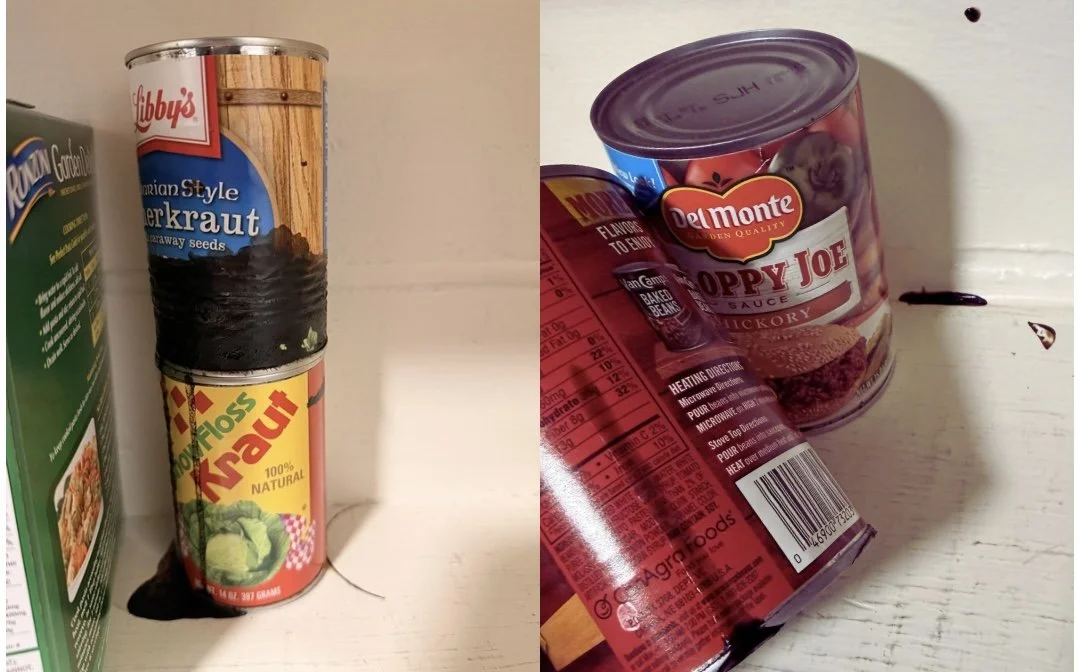
Sometimes the shelves look perfectly organized. Sometimes they’re quietly hiding a problem: expired food, leaking cans, or even items that have burst open from age.
Families are often surprised.
“How did this happen?”
The answer is usually more emotional — and more historical — than people realize.
Why Older Adults Tend to Stockpile Food
For many adults now in their 80s or 90s, the habit of stocking up on food didn’t come from forgetfulness. It came from how they were raised.
1. Depression-Era Mindsets Run Deep
Many older adults were raised by parents who lived through the Great Depression or World War II rationing.
Those generations learned powerful lessons:
Never waste food
Always keep extra supplies
Buy ahead when something is on sale
You never know when scarcity might return
Even if they personally never experienced true deprivation, those beliefs were passed down through family culture.
Stocking the pantry meant security.
2. Shopping Became an Act of Independence
For older adults, grocery shopping can represent autonomy.
Even when someone cooks less or eats smaller portions, the act of buying food can feel like:
Staying independent
Preparing for guests
Being a good provider
Maintaining control of their household
Unfortunately, the pace of purchasing often outlasts the pace of consumption.
3. Memory Changes Play a Role
As people age, changes in memory and executive function can make it harder to keep track of what’s already in the pantry.
Common patterns include:
Buying duplicates of items already owned
Forgetting what’s stored in the back of cabinets
Difficulty rotating older food forward
The result can be layers of food accumulating over time.
4. Pantry Shelves Are “Out of Sight, Out of Mind”
Unlike a refrigerator, pantries often hide their contents behind doors or deep shelves.
If food isn’t visible, it’s easy to forget it exists — especially if someone lives alone and cooks less frequently.
When Food Becomes a Safety Issue
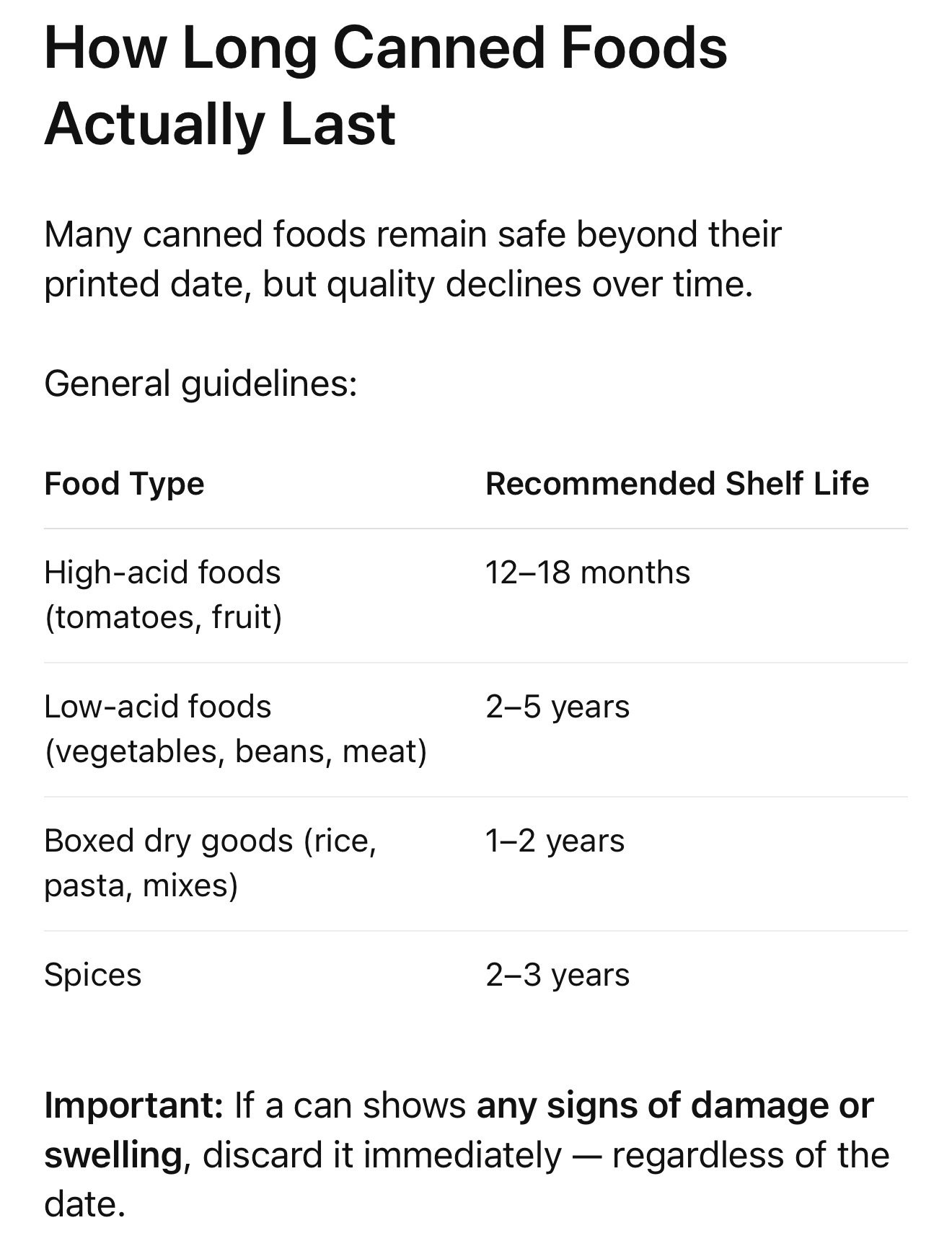
Most people know expired food isn’t ideal. What many families don’t realize is that very old canned goods can actually become hazardous.
Signs food should be discarded immediately include:
Bulging cans
Rusted or leaking cans
Sticky residue on shelves
Foul odors when opened
Broken seals on jars
These can indicate bacterial growth or internal pressure buildup, which can lead to spoilage — or in rare cases, foodborne illness.
If a can has exploded or leaked, the surrounding food should also be inspected and the shelf thoroughly cleaned.
What Adult Children Can Do
Helping aging parents manage their pantry doesn’t require confrontation. A gentle, practical approach works best.
1. Start With Curiosity, Not Criticism
Instead of saying:
“You have way too much food.”
Try:
“Let’s see what treasures are hiding back here.”
Respect matters. These habits often come from a lifetime of responsibility and care.
2. Create a Simple Rotation System
A helpful method:
Move older items to the front
Place new purchases in the back
Use a first-in, first-out approach
Even small adjustments can prevent waste.
3. Do a Pantry Check Twice a Year
A quick pantry review every 6 months can prevent problems before they build up.
Look for:
Expired items
Duplicate purchases
Leaking cans
Foods your parent no longer eats
This is also a great time to donate unopened, unexpired food.
4. Adjust Grocery Habits
Encourage smaller purchases such as:
Fewer duplicates
Smaller package sizes
Buying only what fits the pantry
Sometimes switching to more frequent, smaller grocery trips works well.
A Final Thought
What looks like clutter or neglect is often something else entirely.
For many older adults, a well-stocked pantry represents:
security
preparedness
and a lifetime of caring for others
With a little support and occasional help from family, it’s possible to honor those instincts while keeping the kitchen safe.
And sometimes, a simple pantry clean-out becomes a meaningful conversation about the past — and how life has changed.
At Lyn’s Daughter, we often help families navigate the practical details that come with downsizing, moving, and life transitions.
From organizing kitchens to preparing homes for sale, our goal is simple:
Moving Made Manageable.